
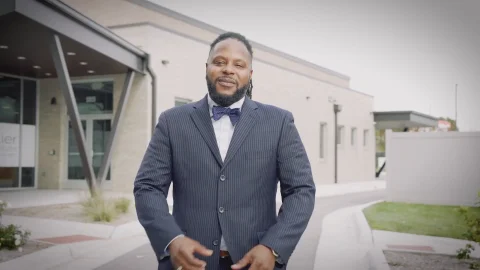
Oral Surgery Consultation
Preparing for oral surgery can feel overwhelming, particularly if you do not know what the first appointment involves. Dr. Alexander Heatrice returned to Studio STL to walk through the process from the initial consultation through preparing for a procedure and recovering afterward. The conversation is below, lightly edited for length and clarity, with additional context added.
The First Visit Is a Conversation
Studio STL: What should a patient expect during their initial consultation?
Dr. Heatrice: What we expect for our patients is to have a conversation. Basically, you get to know us, we get to know you, and you get to ask all the questions. Our goal is to build a platform where you feel comfortable. During that process, we want you to feel informed of what you are going to have done and what is needed. And then on top of all of that, we want you to feel comfortable moving forward with treatment.
Notice the sequence he describes. Comfort first, information second, decision third. The consultation is not structured around arriving at a signature. It is structured around the patient understanding their situation well enough to make a decision they are settled about.
Practically, this means you should come with questions and expect time to ask them. Writing them down beforehand helps, because it is common to leave a medical appointment and remember the question you meant to ask on the drive home. If it would help to have someone with you, bring them.
Our patient information section covers registration, scheduling, and what to bring to a first appointment.
Seeing the Problem Rather Than Being Told About It
Studio STL: Once you have determined after the consultation that treatment is needed, how do you develop a plan?
Dr. Heatrice: During that consultation, we take a lot of scans. We take things that will digitally show the patient the problems that they are facing. Basically, we go through a process of risks and benefits of the procedure, and doing that process allows the patient to determine what is the best option for them.
Two things are happening in that answer that are easy to read past.
The first is that the scans are used to show the patient, not only to inform the surgeon. There is a meaningful difference between being told there is insufficient bone in a particular area and seeing it on a screen. Patients who can see what is being described tend to understand why a given treatment is being recommended, rather than taking it on faith.
The second is the risks and benefits discussion, which is a real part of informed consent rather than a formality. Every surgical option carries both. A conversation that presents only the benefits is not giving you what you need to choose. Expect to hear what could go wrong, what the alternatives are, and what happens if you do nothing at all, which is always a legitimate option to weigh.
Learn more about what our scans show on the 3D imaging page, or see how Dr. Heatrice describes the imaging process in a separate segment on surgical technology.
Preparing for a Procedure
Studio STL: What is the preliminary process like in order to prepare for a procedure? What do you recommend?
Dr. Heatrice: Because we do so many different things, it depends on what the procedure is. For instance, if they are having anesthesia or sedation, there would be pre-op procedures, things they will have to go through that they will be informed about. Also, it depends on the difficulty of the procedure. It may take a little bit when it comes to time, so you may need an escort to be there and available to be with you after the procedure. And then have your house prepared for you to be comfortable at home and relax.
Preparation varies by procedure, and the instructions you receive from the practice are the ones that apply to you. That said, three points from his answer are general enough to plan around.
Pre-operative instructions for anesthesia or sedation
If your procedure involves anesthesia or sedation, you will be given specific instructions in advance covering things like eating and drinking beforehand and how to handle regular medications. These exist for safety reasons and are worth following exactly. If anything in them is unclear, call and ask rather than guessing.
Arranging an escort
Anyone receiving sedation or general anesthesia needs someone to drive them home and stay with them afterward. This is not a suggestion. You will not be permitted to drive yourself, and the appointment can be delayed if no escort is available. Arrange it when you schedule, not the night before.
Setting up at home
His advice to have your house prepared so you can relax is straightforward and worth doing. Set up where you plan to rest before you leave. Have pillows, anything you need within reach, and whatever your instructions call for already on hand rather than requiring a trip out afterward. Plan on the rest of the day being unproductive.
Review our pre-operative instructions and the before anesthesia page for specifics. Diet and care guidance after a procedure is covered in your post-operative instructions, which are specific to what you had done. Anesthesia options are discussed during your consultation.
If You’re Nervous About Oral Surgery
Studio STL: A lot of people, when they hear dentist or oral surgery, it is fear and anxiety. What do you say to those people?
Dr. Heatrice: Being nervous and being scared is normal. Any surgery could make anyone feel nervous about it. But our goal is that when you came in for the initial consultation, you got to know us and we got to know you. You were able to get the information so you are informed. Because I feel like being informed creates confidence in the procedure. And a person who has confidence will probably lower that intimidation factor. So if you get to know who is doing the procedure and you are more informed, it should make you feel less intimidated.
He starts by saying the anxiety is normal rather than telling patients not to feel it, which is the right place to start. Dental and surgical anxiety is common and it is not a character flaw.
The mechanism he describes is worth taking seriously. Much of what makes a procedure frightening is uncertainty. Not knowing what will happen, how long it will take, what it will feel like, or what recovery involves. The consultation addresses each of those directly, which is why he ties the consultation and the anxiety together rather than treating them as separate topics.
If anxiety is a significant concern for you, say so at your consultation. It affects the conversation about anesthesia and sedation options, and it is far better raised early than on the day of the procedure.
What Makes the Practice Different
Studio STL: What do you think is the one unique factor that stands out most about the culture and how you handle your patients?
Dr. Heatrice: We have a wide variety of patients. We have patients from all walks of life. And I think the thing that makes it very consistent is that we actually spend the time to care about our patients. I believe if you treat people the way they should be treated and you spend the time to learn about them and they learn about you, it creates a rapport that is exceptionally good.
Rapport is not a soft consideration in surgery. A patient who trusts the practice is more likely to raise a concern early, follow post-operative instructions, and call when something does not seem right rather than waiting to see. Those behaviors affect outcomes.
Read more about the practice on our why choose our practice page, or hear from patients directly on our testimonials page.
Scheduling a Consultation
A consultation is an evaluation and a conversation, not a commitment to treatment. You will be examined, imaging will be taken, and you will leave understanding your situation and what the options are. Whether to proceed is a decision you make afterward, with the information in hand.
Book Your Consultation
The first visit is a conversation. Come in, ask your questions, and leave knowing what your options are.